
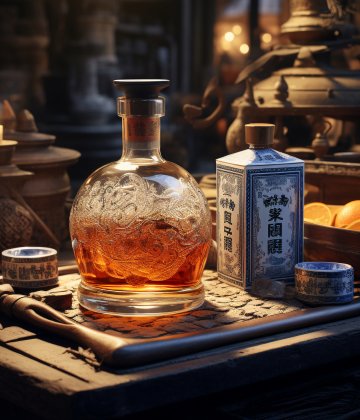
Why are more and more industries choosing glass for packaging containers?
2026-01-28
Glass is one of the oldest materials. Glass bottles are manufactured by adding clarifiers, decolorizers, or colorants to common silicate glass raw materials (SiO₂, Na₂O, CaO), followed by high-temperature melting (around 1,400°C), forming, annealing, surface treatment, and inspection. Since the advent of milk bottles in 1884, glass containers have served as packaging for liquid foods for over a century. As beverage packaging, glass bottles offer the following key advantages:
Excellent Transparency: Although glass bottles come in various hues like amber, blue, or dark green, or feature surface treatments for different colors, most beverage bottles are colorless and transparent. This allows visibility into the contents to check filling levels, color, and whether the beverage has separated or developed sediment. It facilitates monitoring on filling lines and enables consumers to make informed choices and drink with confidence.
Excellent Chemical Stability: The issue of container materials leaching due to beverage corrosion directly impacts food safety, a concern taken very seriously by many countries. Glass bottles protect contents from external oxygen and microbial intrusion while preventing chemical migration, ensuring the beverage's flavor and nutritional integrity remain unaltered. This is where glass bottles excel over other beverage containers.
Excellent Sealing Properties: Glass bottles provide a high level of seal integrity. Unlike some plastic and paper containers, glass is non-permeable, preventing external air from affecting the beverage and eliminating the release of harmful substances. This makes it highly suitable for storing beverages intended for long-distance transport.
High Pressure Resistance: The strength of glass bottles is minimally influenced by their chemical composition. Optimized raw material ratios and strict molding process control yield more uniform and stable bottle structures. This enables effective resistance to external pressures during filling, sealing, and transportation, reducing breakage risks and enhancing overall packaging safety. Glass bottles withstand high temperatures, enabling sterilization, and are equally suitable for low-temperature refrigeration.
Shape Diversity: Recent innovations in bottle design and manufacturing techniques have driven glass bottles toward greater versatility and specialization. From classic round and square shapes to creative specialty forms, these advancements help elevate brand value and enhance product aesthetics.
Wide Application Range: Glass bottles are now extensively used across beverage, food, cosmetics, and pharmaceutical packaging sectors, enjoying widespread popularity among buyers.